Introduction (100–150 Words)
How to Make an Effective Revision Plan for Exams is something every student needs to master to score well. Many students study for hours but still feel unprepared because they revise without a proper strategy. A strong revision plan helps you understand concepts clearly, remember information longer, and stay confident during your exams. In this guide, you’ll learn how to create a revision plan that improves productivity, reduces stress, and helps you perform better in any exam.
Step 1 – Analyze the Syllabus and Exam Pattern
- Identify important chapters and topics
- Understand the weightage of each subject
- Highlight difficult areas that need more revision
- Review past papers to identify common questions
Step 2 – Allocate Time Based on Priority
- Spend more time on challenging subjects
- Divide your day into focused study sessions
- Include short breaks to maintain concentration
- Balance all subjects for comprehensive revision
Step 3 – Use Active Revision Techniques
1. Summarization
Write concise notes or summaries of each chapter.
2. Mind Maps
Create visual diagrams connecting concepts to enhance memory.
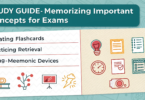
3. Flashcards
Use flashcards for formulas, dates, or definitions.
4. Teach Someone Else
Explaining topics aloud helps reinforce knowledge.
5. Practice Questions
Solve past papers and sample questions to test understanding.
Step 4 – Follow a Daily Revision Schedule
- Morning: Review difficult topics
- Afternoon: Practice questions and summaries
- Evening: Quick revision of previously studied material
- Night: Light review of key points before sleep
Step 5 – Use Spaced Repetition
- Review topics multiple times at increasing intervals
- Focus on weak areas repeatedly
- Reinforces long-term memory
Step 6 – Stay Healthy During Revision
- Sleep 7–8 hours per night
- Eat nutritious meals and stay hydrated
- Take short breaks for physical activity
- Avoid stress and stay positive
Common Mistakes to Avoid
- Revising without a plan
- Ignoring difficult topics
- Cramming all at once
- Studying without breaks
- Procrastinating until the last minute
FAQs
Q1: How early should I start my revision?
Start at least 2–3 weeks before exams for effective retention.
Q2: Should I revise all subjects equally?
Prioritize difficult or high-weightage subjects but do not neglect others.
Q3: Is it okay to study late at night?
Only if you can focus; otherwise, stick to your most productive hours.
Q4: How do I track my revision progress?
Use a checklist, planner, or revision app to monitor completed topics.
Q5: Can breaks really help with revision?
Yes, short breaks prevent burnout, improve focus, and enhance memory.
Internal Linking Suggestions
- Link to Post 12: Top 10 Exam Preparation Tips for Students
- Link to Post 14: How to Improve Memory for Exams
Image / Infographic Ideas
- Step-by-step revision plan infographic
- Daily study timetable visual
- Spaced repetition chart
- Flashcards and mind map illustration