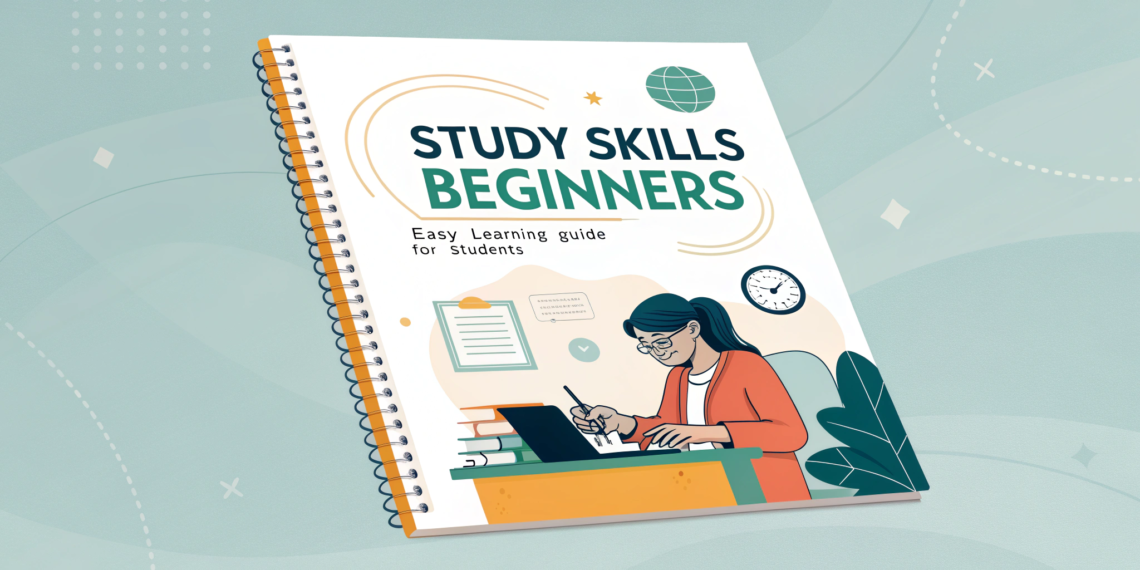

Study Skills for Beginners (Easy Learning Guide for Students)
Study Skills for Beginners are essential for students who want to learn faster, stay focused, and improve academic performance without stress. Whether you are in school, college, or preparing for competitive exams, strong study skills help you understand concepts better and remember information for a longer time. In this easy learning guide, you will discover simple and practical strategies designed especially for beginners who want to build a strong learning foundation.
Good study skills are not about studying longer hours. They are about studying smarter, staying consistent, and using the right techniques from the start.
1. Start With Understanding, Not Memorizing
Many beginners try to memorize information immediately, but learning becomes much easier when you understand the topic first. Understanding builds clarity and reduces confusion.
How to Build Understanding
- Read the topic slowly and carefully
- Identify the main ideas and keywords
- Watch a short explainer video if needed
- Ask “why” and “how” questions
This approach makes learning meaningful and long-lasting.
2. Create a Clean, Organized Study Space
Your study environment directly affects your focus and productivity. A messy or noisy space can distract you easily.
What a Good Study Space Should Include
- Proper lighting
- Comfortable seating
- Zero distractions
- Necessary stationery
- A quiet environment
A clean space helps beginners stay focused for longer periods.
3. Use Smart Note-Taking Techniques
Note-taking helps you remember information better and revise faster before exams. Beginners should keep notes simple and clear.
Beginner-Friendly Note Systems
- Bullet points
- Highlighting key terms
- Short summaries
- Simple diagrams
Good notes save time during revision.
4. Break Study Time Into Small Sessions
Studying for long hours can cause stress and mental fatigue. Short study sessions improve focus and productivity.
Recommended Study Cycles
- 25 minutes study + 5 minutes break (Pomodoro)
- 40 minutes study + 10 minutes break
These methods keep your mind fresh and active.
5. Practice Active Recall (Most Powerful Technique)
Instead of re-reading notes, test yourself regularly. Active recall strengthens memory and understanding.
Simple Active Recall Ideas
- Cover the book and explain the topic
- Use flashcards
- Solve practice questions
- Teach a friend or sibling
This is one of the most effective study skills for beginners.
6. Use Spaced Repetition for Long-Term Memory
Revising at the right time prevents forgetting and improves retention.
Beginner Revision Plan
- Day 1 → Learn
- Day 3 → Revise
- Day 7 → Revise
- Day 15 → Quick revision
- Day 30 → Final revision
Spaced repetition reduces exam stress.
7. Avoid Multitasking While Studying
Multitasking reduces focus and learning quality. Beginners should study one subject at a time.
Examples of Multitasking to Avoid
- Studying while chatting
- Watching videos while reading
- Switching subjects too often
Single-tasking improves results.
8. Use Free Learning Tools for Better Results
Free online tools can support learning without extra cost.
Useful Free Tools
- YouTube (educational channels)
- Khan Academy
- Quizlet
- Grammarly
- Google Classroom / Docs
These tools are beginner-friendly and effective.
9. Make a Daily Study Plan
A study plan reduces confusion and increases consistency.
What to Include in a Beginner Plan
- Subjects to study
- Time slots
- Short breaks
- Revision time
- Practice questions
Planning keeps learning organized.
10. Stay Consistent (Small Steps Daily)
Beginners succeed by studying regularly, not by cramming.
Motivation Tip
Track your weekly progress to stay motivated and confident.
FAQs
1. What are the best study skills for beginners?
Understanding concepts, note-taking, active recall, and planning.
2. How many hours should beginners study?
1–3 focused hours daily with breaks are enough.
3. Is active recall better than reading?
Yes, it improves memory and understanding faster.
4. How can beginners stay focused while studying?
Remove distractions, use short study sessions, and follow a plan.
5. Do beginners need expensive courses?
No, free tools and simple techniques are enough.
🔗 Internal Linking Suggestions
- Learning Guides for Students
- Smart Study & Exam Success
- How to Learn Better & Understand More
- Personal Development & Productivity
- Learning Techniques & Knowledge Building
Study Skills for Beginners are essential for students who want to learn faster, stay focused, and improve academic performance without stress. Whether you’re in school, college, or preparing for competitive exams, strong study skills help you understand concepts better and remember information longer. In this guide, you’ll learn simple, practical strategies to boost your learning—perfect for beginners who want to build a strong foundation.
H2: 1. Start With Understanding, Not Memorizing
Many beginners try to memorize immediately—but learning becomes easier when you understand the concept first.
H3: How to Build Understanding
- Read the topic slowly
- Identify main ideas
- Watch a short explainer video
- Ask “why” and “how” questions
H2: 2. Create a Clean, Organized Study Space
Your environment affects your learning quality.
H3: What a Good Study Space Should Include
- Good lighting
- Comfortable seating
- Zero distractions
- Necessary stationery
- A quiet environment
H2: 3. Use Smart Note-Taking Techniques
Note-taking helps you remember better and revise faster.
H3: Beginner-Friendly Note Systems
- Bullet points
- Highlight key terms
- Short summaries
- Simple diagrams
H2: 4. Break Study Time Into Small Sessions
Long study hours cause stress and low productivity.
H3: Recommended Study Cycles
- 25 mins study + 5 mins break (Pomodoro)
- 40 mins study + 10 mins break
H2: 5. Practice Active Recall (Most Powerful Technique)
Instead of re-reading, test yourself.
H3: Simple Active Recall Ideas
- Cover book → explain topic
- Make flashcards
- Solve practice questions
- Teach a friend
H2: 6. Use Spaced Repetition for Long-Term Memory
Spacing your revision prevents forgetting.
H3: Beginner Revision Plan
- Day 1 → Learn
- Day 3 → Revise
- Day 7 → Revise
- Day 15 → Quick revision
- Day 30 → Final revision
H2: 7. Avoid Multitasking While Studying
Multitasking reduces focus and learning ability.
H3: Examples of Multitasking to Avoid
- Studying while chatting
- Watching videos while reading
- Switching subjects too often
H2: 8. Use Free Learning Tools for Better Results
These tools help beginners learn quickly and effectively.
H3: Useful Free Tools
- YouTube (educational channels)
- Khan Academy
- Quizlet
- Grammarly
- Google Classroom / Docs
H2: 9. Make a Daily Study Plan
Planning reduces confusion and improves productivity.
H3: What to Include in a Beginner Plan
- Subjects to study
- Time slots
- Short breaks
- Revision time
- Practice questions
H2: 10. Stay Consistent (Small Steps Daily)
Beginners succeed through consistent small efforts—not long stressful hours.
H3: Motivation Tip
Track your progress weekly to stay motivated.
H2: FAQs
H3: 1. What are the best study skills for beginners?
Understanding, note-taking, active recall, and planning.
H3: 2. How many hours should beginners study?
1–3 hours daily with breaks is enough.
H3: 3. Is active recall better than reading?
Yes, it improves memory faster.
H3: 4. How can beginners stay focused?
Remove distractions, use short study sessions, and follow a plan.
H3: 5. Do beginners need expensive courses?
No. Free tools are enough to start.
Internal Linking Suggestions
Link to:
- Study Tips for Better Learning
- Exam Preparation Guide
- Time Management for Students
- How to Stay Focused While Studying