
Introduction (100–150 Words)
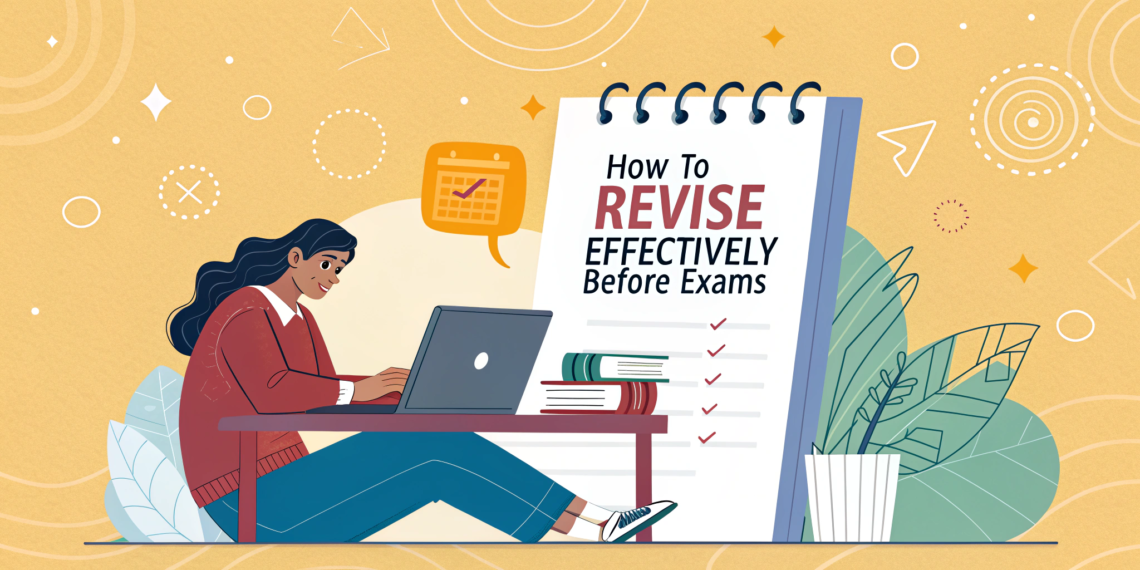
How to revise effectively before exams is one of the most important skills students need for academic success. Revision helps reinforce learning, identify weak areas, reduce last-minute stress, and improve confidence before exam day. However, many students revise without a clear plan, waste time on unnecessary details, or struggle to retain key concepts. Effective revision requires strategy, structured planning, active learning techniques, and consistent practice. This complete guide explains how to revise smarter, retain information for longer, and feel more prepared when stepping into the exam hall. With the right approach, you can make revision easier, more efficient, and far more productive.
Why Effective Revision Matters
- Reinforces learning and improves memory retention
- Helps identify gaps in understanding
- Reduces last-minute cramming and stress
- Builds confidence for exam day
- Improves time management during preparation
Tips for Effective Revision
1. Create a Revision Plan
Organize topics by priority and allocate specific time for each subject or chapter.
2. Focus on Weak Areas
Spend more time on topics you find challenging while quickly reviewing stronger areas.
3. Use Active Learning Techniques
- Summarize notes
- Make flashcards
- Teach topics to someone else
4. Practice Past Papers
Solve previous exam papers to familiarize yourself with question patterns and time management.
5. Take Regular Breaks
Short breaks prevent mental fatigue and improve concentration during long revision sessions.
6. Revise in Intervals
Use spaced repetition to revisit topics multiple times over several days for better retention.
7. Minimize Distractions
Study in a quiet, organized environment and avoid digital interruptions.
Common Mistakes During Revision
- Starting without a plan
- Revising everything equally instead of prioritizing
- Ignoring practice questions or exams
- Studying in noisy or distracting environments
- Cramming all topics in the last few hours
FAQs
Q1: How many times should I revise before exams?
Use spaced revision: revisit topics multiple times over days or weeks, depending on syllabus size.
Q2: Should I only read notes or actively practice?
Active practice like summarizing, testing, and teaching improves memory more than passive reading.
Q3: Can past papers really help in revision?
Yes, they help identify patterns, practice timing, and reinforce knowledge under exam conditions.
Q4: How do I avoid forgetting important topics?
Use summaries, flashcards, and spaced repetition for key concepts.
Q5: Is it okay to take short naps during revision?
Yes, 20–30 minute naps can refresh the brain and improve focus.
Internal Linking Suggestions
- Link to Post 20: How to Use Practice Tests Effectively for Exam Success
- Link to Post 21: How to Manage Exam Stress Effectively
Image / Infographic Ideas
- Revision timetable visual
- Spaced repetition infographic
- Flashcards and summary notes illustration
- Past paper practice setup
- 1. Expand Introduction
Current intro may be 80–100 words. Expand to 120–150 words by:
Explaining why revision is important
Highlighting common student challenges
Mentioning the benefits of effective revision (confidence, reduced stress, better results)
2. Add New Sections / Subheadings
You can easily reach 600+ words by adding:
a) Planning Your Revision Timetable
Break subjects into manageable chunks
Allocate more time to difficult topics
Include short breaks to maintain focus
b) Combining Techniques
How to use active recall with mind maps or flashcards
How spaced repetition complements teaching someone else
c) Motivation and Focus Tips
Studying in a quiet, well-lit space
Setting small daily goals
Rewarding yourself for completing revision targets
d) Common Mistakes Expanded
Expand each bullet into 2–3 lines explaining why it’s harmful
Example: “Cramming all topics at once” → “Cramming may help short-term recall but usually causes stress and forgetfulness during exams.”
3. Expand Conclusion
Summarize techniques
Reinforce benefits of structured, smart revision
Encourage consistent practice