
Introduction
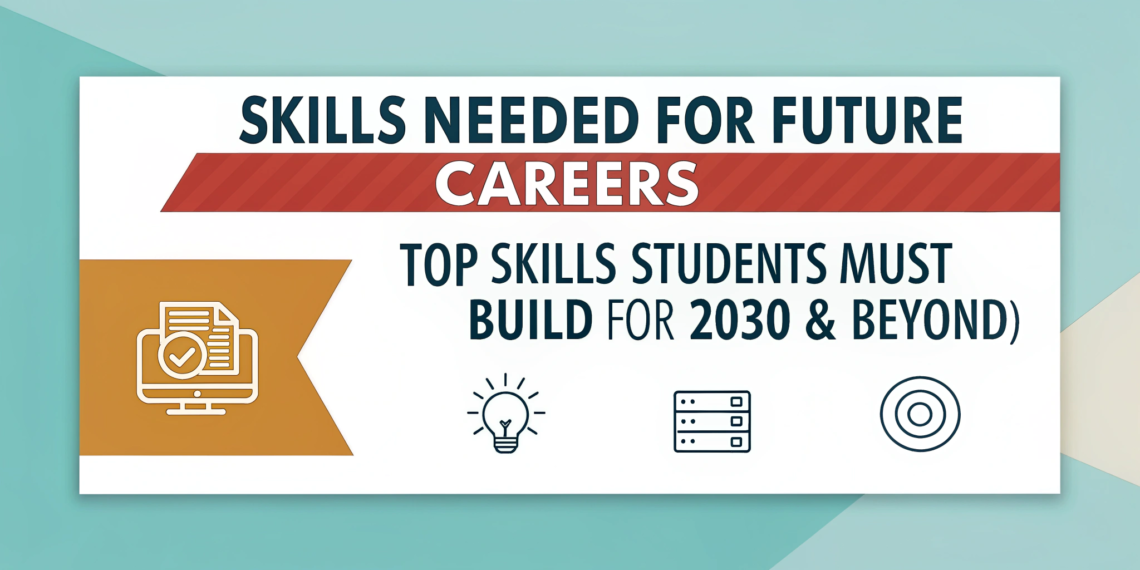
Skills Needed for Future Careers are becoming essential for students who want to succeed in a world shaped by AI, automation, and global innovation. As industries evolve, the students who start building these skills now will have a major advantage later. The good news is that you don’t need expensive courses or advanced qualifications to get started. Most future-ready skills can be learned through simple habits, small projects, and consistent practice. In this guide, you’ll explore the most important skills needed for future careers, why they matter, and how to start developing them step by step. This is your roadmap to becoming confident, adaptable, and prepared for the opportunities of 2030 and beyond.
The Most Important Skills Needed for Future Careers
Below are the top skills every student should start developing today. These skills will remain valuable across industries and job roles.
1. Digital & Tech LiteracyWhy This Skill Matters
Technology is becoming a part of every job—marketing, healthcare, business, design, engineering, and even teaching.
What to Learn:
Basic computer skills
Online research
Using productivity tools (Docs, Sheets, Slides)
Understanding AI tools responsibly
Cloud tools like Google Workspace
Real Example:
A student who learned basic design tools like Canva started making poster designs for local shops and earned early experience and confidence.
2. Critical Thinking & Problem Solving
Future Jobs Require Smart Decision-Makers
Companies want people who can analyze problems, ask questions, and find creative solutions—not just follow instructions.
How to Build This Skill:
Solve puzzles
Analyze case studies
Practice logical reasoning
Join debates or discussions
Common Mistake:
Depending fully on memorization instead of understanding concepts.
3. Communication Skills (Written & Verbal)
Communication is one of the highest-demand skills worldwide.
Why It Matters:
It helps with:
Interviews
Presentations
Team projects
Client communication
Leadership roles
Simple Ways to Improve:
Write daily (journals, summaries)
Practice speaking in groups
Read books to expand vocabulary
4. creativity & Innovation
Future Careers Need Creative Thinkers
Creative people can solve problems differently and bring new ideas.
Where Creativity Helps:
Design
Coding
Marketing
Business
Content creation
Mini Story:
A student started making short educational animations and later turned it into a portfolio that helped him secure a scholarship.
5. Emotional Intelligence (EQ)
Emotional intelligence helps you manage emotions, work with people, and build stronger relationships.
Key Parts of EQ:
Self-awareness
Empathy
Conflict management
Teamwork
Why It Matters:
Jobs with high human interaction like HR, leadership, teaching, and management require strong EQ.
6. Adaptability & Flexibility
The future workplace changes quickly. People who adapt fast will always stay ahead.
How to Practice Adaptability:
Learn new tools
Try new tasks
Be open to feedback
Example:
A student adapted to online learning quickly during the pandemic and later became a tutor for classmates struggling with digital platforms.
7. Digital Marketing & Online Branding
Many modern careers require understanding how the internet works—from running ads to building online content.
What Students Can Learn:
Social media management
SEO basics
Content writing
Analytics
Why It’s Important:
The digital economy keeps growing worldwide.
8. Data Literacy
What Is Data Literacy?
The ability to understand, analyze, and use data for decisions.
Where It’s Used:
Business
Healthcare
Education
Marketing
Engineering
Simple Tools to Learn:
Excel or Google Sheets
Basic statistics
Data visualization tools
9. Leadership & Team Collaboration
You don’t need a job to build leadership skills. You can practice at school, in projects, or in group activities.
Skills to Build:
Decision-making
Planning
Delegation
Time management
Mini Case Study:
A student who led a small school project discovered she enjoyed organizing tasks and later explored management as a career path.
How to Start Learning These Skills (Without Paying Money)
Free Websites to Learn:
Coursera free courses
YouTube tutorials
Google Digital Garage
Khan Academy
LinkedIn Learning (free modules)
Steps to Start Today:
Pick one skill
Start a mini project
Practice for 20–30 minutes daily
Build a small portfolio
Common Mistakes Students Make When Learning Future Skills
Trying to learn too many skills at once
Switching skills without finishing anything
Waiting for “perfect time”
Learning theory without practicing
Comparing their progress to others
Final Roadmap — Your Future Skills Plan
Follow This 6-Week Plan:
Week 1–2: Learn basics of one skill
Week 3–4: Build a small project
Week 5: Improve your project
Week 6: Create a portfolio or share your work online
FAQs
1. What skills are most important for future careers?
Digital literacy, communication, critical thinking, data skills, and creativity.
2. Can students learn future skills for free?
Yes, using free online platforms like YouTube, Google, Coursera, and more.
3. Which soft skills matter most?
Communication, teamwork, emotional intelligence, and adaptability.
4. Are future careers only related to technology?
No. Many fields like healthcare, design, education, and business also need future-ready skills.
5. How early should students start learning these skills?
The earlier, the better. Even small steps make a big difference.
Internal Linking Suggestions:
Link to:
Career Planning Tips for Beginners
How to Choose the Right Career Path
Best Future-Proof Careers for Students
Study Tips for Better Learning
External Links (High Authority):
coursera.org
google digital garage
indeed.com skills guide
LinkedIn learning paths
Image/Infographic Ideas:
“Top 10 Future Skills” infographic
Mind-map of digital skills
Soft skills pyramid visual
Career skills development roadmap